MY PEACOCK BUTTERFLY JOURNEY: FROM NETTLE PATCH TO 300 BUTTERFLIES
Sometimes the most extraordinary encounters with nature happen when you’re not looking for them.
One sunny morning in early June, I went for a walk near home. I didn’t go particularly far, but I happened to pass a verge covered in stinging nettles.
Then I noticed something. The nettles were covered in tiny black, spiky caterpillars - Peacock Butterfly Caterpillars.
Hundreds of them!
And this was where my journey began.
A Verge Full of Caterpillars
The caterpillars were everywhere. At first, I simply stopped to watch them. But being on a roadside verge in the village, I know there was a possibility that the nettles could be cut down. It was the time of year when the council were out cutting every patch of slightly overgrown grass or weeds in sight without a second thought.
So I decided to intervene.
I carefully collected up the caterpillars and brought them home, where I could provide them with fresh nettles and allow them to complete their development.


It turned out to be a very good decision.
Only a few days later, I walked past the same spot again.
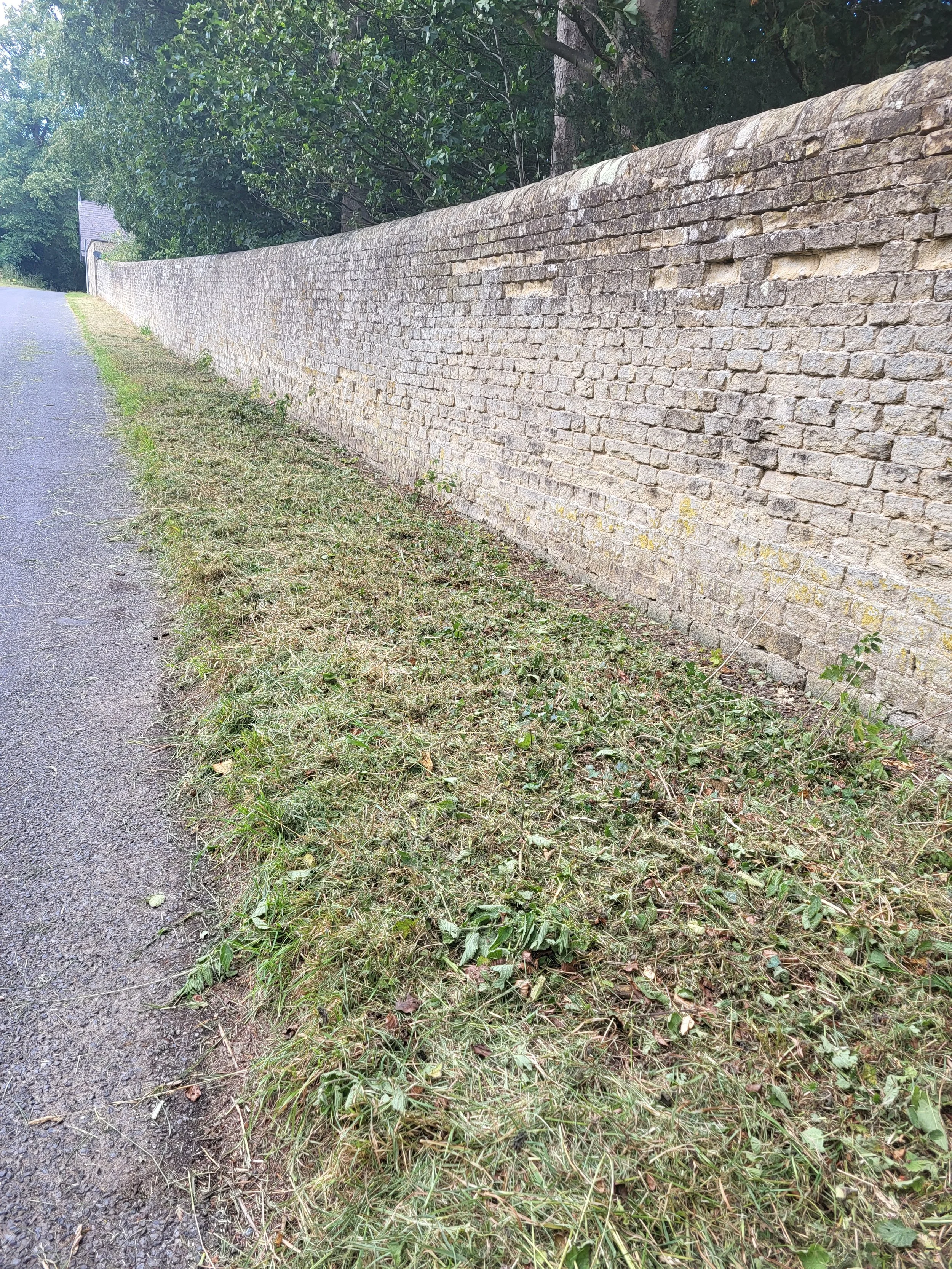
The verge had been cut right down.
The nettles were gone.
And with them would have gone hundreds of tiny Peacock Butterfly caterpillars.
Why Nettles Matter To Butterflies
This experience really highlighted something that is easy to overlook when we think about creating butterfly-friendly spaces.
It’s not enough to simply provide flowers for adult butterflies.
Caterpillars need food plants too!
Butterflies have specific host plants on which they lay their eggs, and they caterpillars can be dependent on particular plants for food.
For several familiar British butterflies, that plant is the humble stinging nettle.
Peacock Butterflies, Red Admirals, Tortoiseshells and Commas all use nettles as their main hist plant for their caterpillars.
The plant that many people regard as a weed can therefore be an essential part of a butterfly’s life cycle. Without suitable host plants, adult butterflies may have plenty of flowers to visit but nowhere suitable to lay their eggs.
That distinction is incredibly important.
Flowers feed butterflies.
Host plants raise them.
Bringing The Caterpillars Home
Once I had collected them, the real work began. The caterpillars were housed safely and supplied with fresh nettles while they continued to feed and grow.
And grow they did.
Watching them develop from tiny black caterpillars into much larger larvae was fascinating. They spent their days feeding, growing and moulting, gradually preparing themselves for the next stage of their lives.
There is something incredibly satisfying about watching metamorphosis happen in frong of you.
One day you have a caterpillar. The next, everything has changed.
From Caterpillar To Chrysalis
After a couple of weeks, the caterpillars began to behave differently. They stopped concentrating on feeding and started searching for somewhere suitable to pupate.
Eventually, they climbed towards the top of the net cage. They then attached themselves and transformed into chrysalises.
The busy caterpillars disappeared. Everything became still. But inside these chrysalises, something extraordinary was happening.


The Wait
The chrysalises hung quietly for around 10-14 days.
There is something slightly magical about this stage. From the outside, they look almost completely inactive, but inside, the transformation is taking place. The caterpillar is becoming a butterfly.
Eventually, the first signs appeared. The adults were ready to emerge.
The Butterflies Emerge
And then suddenly, there were butterflies.
Peacock Butterflies.
Beautiful, unmistakeable, and completely transformed from the tiny black caterpillars I’d rescued only weeks earlier.
Watching the first adults emerge was incredible. Then more appeared. And more.
Before long, there were hundreds.
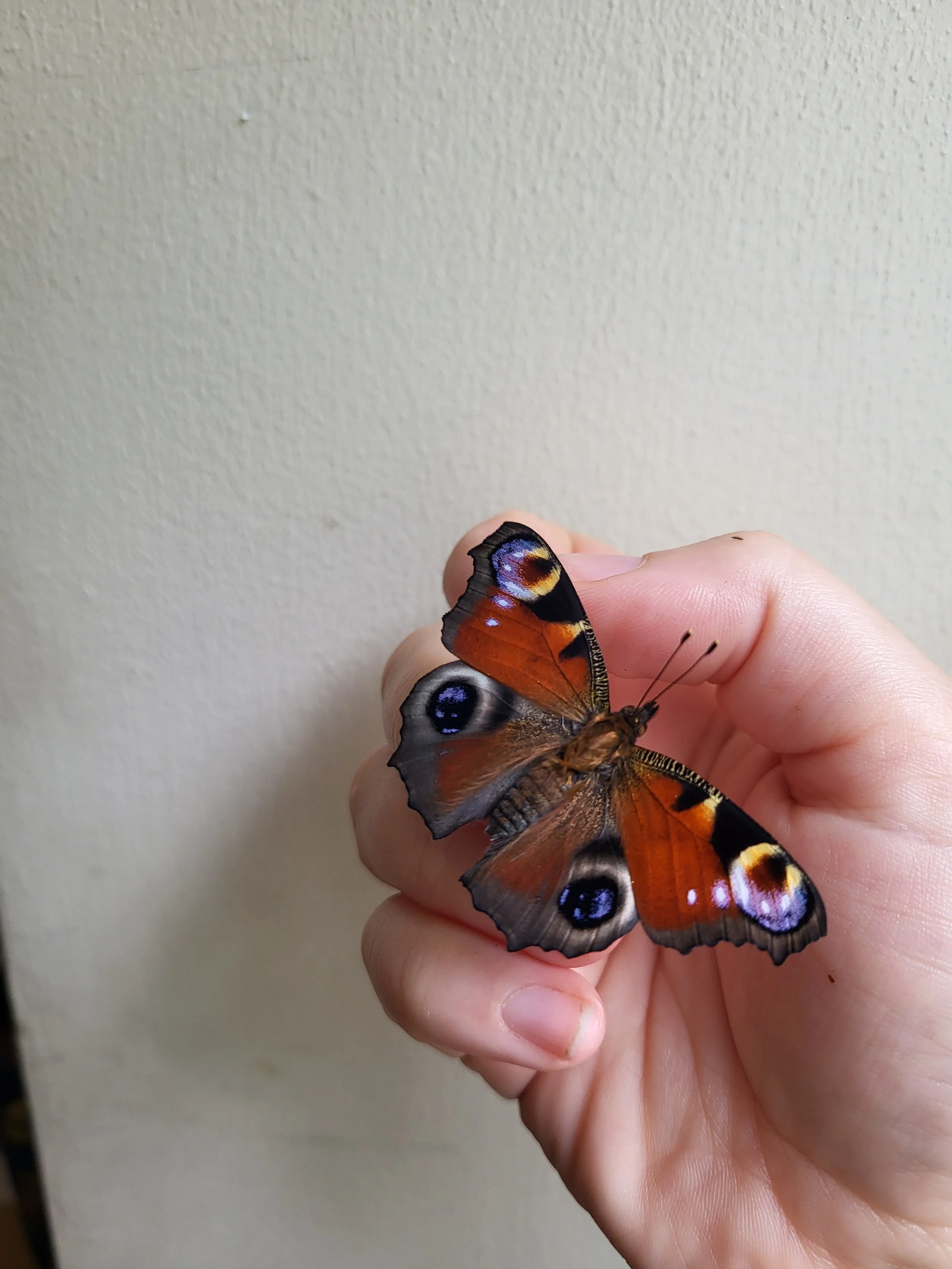


Seeing the transformation from tiny caterpillar to fully formed Peacock Butterfly was a reminder of just how remarkable the insects living around us really are.
Releasing Them Back Into The Wild
The most important part of this whole journey was always going to be the ending.
These butterflies weren’t meant to stay in captivity. They were never meant to be in captivity at all - However they were given the opportunity to complete their development safely, and once they were ready, they needed to return to the wild.
One by one, they were released.
Eventually, the final butterflies emerged and were released too.
More than 300 Peacock Butterflies were released.
More than 300 butterflies that might otherwise have been lost when that small patch of nettles was cut down,
That is something I will never forget.
The Humble Nettle
I think this experience changed the way I look at nettles. They are easy to think of and dismiss as an inconvenient plant.
Something we avoid on walks. Something people often remove from gardens.
But look a little closer and they are anything but insignificant.
A patch of nettles can provide food and shelter for an extraordinary range of wildlife. For butterflies such as the Peacock, they are a vital part of the life cycle. Sometimes the plants we consider untidy are doing some of the most important work: nettles, thistles, willowherb!
What Can We Do To Help Butterflies?
You don’t need a huge garden or a wild life reserve to make a difference.
If you have outside space, consider allowing part of it to grow naturally:
Leave some nettles where they’re safe and appropriate.
Grow nectar rich flowers for adult butterflies.
Avoid clearing every wild plant simply because it doesn’t look ornamental.
And, most importantly, think about the whole life cycle.
A butterfly friendly garden isn’t just somewhere for adult butterflies to drink nectar. It’s somewhere they can potentially feed, shelter, mate and lay their eggs.
Creating space for caterpillars is just as important as providing flowers for adults.
A Different Way of Seeing Insects
This experience also reminded me why I became so fascinated with insects in the first place. It’s very east to walk past a patch of nettles without noticing anything.
But stop. Look closer.
And suddenly there are hundreds of tiny creatures going about their lives.
Caterpillars eating. Moulting. Growing. Pupating. Emerging. Flying away.
An entire world was happening on that little patch of roadside vegetation. And I nearly walked straight past it.
The Journey Doesn’t End Here
The Peacock Butterflies I released were no longer in my care. They were back in the wild.
Some would probably continue their lives close by, some would probably travel a little further afield.
But for a short time, I have the privilege of watching one of Britain’s most recognisable butterflies complete it’s transformation from caterpillar to butterfly.
From a handful of nettles beside the road, to hundreds of butterflies taking flight.
It’s a journey I will always remember.
And perhaps the biggest lesson is a simple one:
Look closer.
The next time you see a patch of nettles, don’t be so quick to walk past. There might be an entire generation of butterflies hiding amongst them.
A Final Thought.
Our natural world doesn’t always look neat. Sometimes it’s tangled. Sometimes it’s prickly. Sometimes it’s a little wild. But those untidy corners can be incredibly important. So the next time you see a patch of nettles, perhaps leave them a little space, because somewhere amongst those leaves, a tiny caterpillar might already be beginning it’s own transformation.
